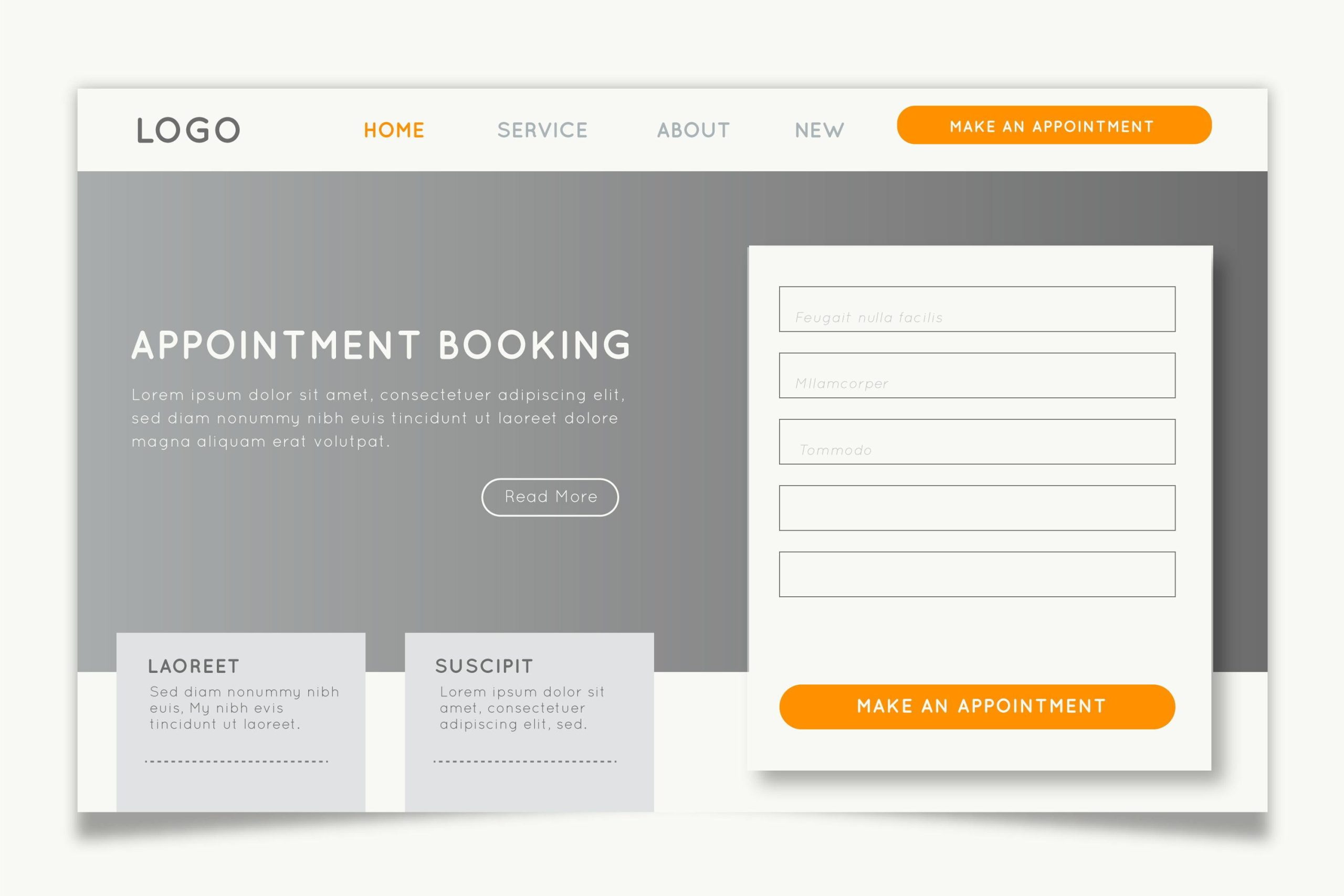
Site administration involves maintaining its availability, functionality, and relevance. A website administrator is responsible for filling in new pages or landing pages, as well as updating the published information — texts, images, prices, and more. They work with other specialists, receiving materials from programmers, copywriters, designers, and managers.
The Sitesavers team provides additional website administration services. We are ready to take on routine tasks so you can focus on what matters most — achieving key business goals.
Who needs site administration?
Administration services are needed when you don’t have enough time to do the work yourself, or you are sure that you can spend this time with greater benefit. In fact, most websites benefit from it. It allows you to save resources and avoid mistakes.
We most often work with the following types of clients:
01
Small businesses and service companies.
They usually don’t have a website administrator on staff. But they still need to update prices, offerings, portfolios, contacts, and promotions.
02
Online stores and marketplaces.
This sector involves working with large volumes of content. Product listings change regularly, new categories are added, availability is updated, and delivery and payment terms are modified. The larger the scale, the bigger the team of administrators required.
03
Companies with active marketing strategies.
Launching landing pages, developing forms, adding triggers, and monitoring them is ongoing work that requires maximum attention to detail.
04
Multilingual or multinational projects.
Having several localizations requires maintaining order in the content. It’s important to avoid navigation errors and duplicate pages on the website.
05
Teams that want to delegate routine tasks.
Outsourcing website administration can be beneficial for businesses of any size. It helps control time and resource costs. You also avoid scattering responsibilities and uncontrolled staff growth.
Types of additional website administration services
Creating a contact / pop-up / request form
We develop forms tailored to a specific task and stage of the customer journey: “request a call”, “subscribe to a newsletter”, “get access”. We design the field logic and submission flow, remove unnecessary elements, and enhance the visibility of CTA buttons. If needed, we add a confirmation message after successful submission. After launch, we test whether requests are delivered correctly and not lost.
Messenger integration (Telegram, WhatsApp, Viber)
We connect buttons and widgets so they are visible but do not overlap the content or interfere with reading. We check how they appear on both desktop and mobile devices. We also test deep links to the apps to ensure the transition opens the correct chat without unnecessary steps.
Preparing pages for SEO migration or redesign
We document the current structure and prepare the content before the work begins. We review the URL structure, navigation logic, text blocks, and technical elements. This helps update the website with minimal loss of traffic, conversions, and engagement metrics.
Creating additional language versions of the website
We localize the site for a new language: add language versions, implement language switchers, and properly structure pages and links. We also design the menu logic and verify that the content and markup match. High-quality localization improves user navigation. At the same time, it reduces the likelihood of technical errors and reputational risks.
Responsive redesign (optimization for mobile devices)
We update pages taking into account adaptive design. We configure the correct display on different screens: sizes, proportions, and resolution. We check readability, clickability, and behavior of blocks in typical scenarios. This helps to better retain mobile traffic, which in many niches can account for 50–80% of visits.
Sending website form submissions to Telegram
We configure the technical delivery of form submissions from the website to Telegram so you can receive notifications about new inquiries instantly. This solution is suitable for basic notification and incoming request monitoring.
The Sitesavers team can set up Telegram submission notifications as an additional option, provided that the website runs on WordPress and uses a standard (non-custom) form.
Key benefits of additional services
Website creation and administration by a team of professionals allows you to gain significant advantages in each of the scenarios described above:
Properly configured forms generate more inquiries and reduce the loss of potential requests. They encourage users to take action immediately instead of looking for other options.
Messengers shorten the path to leads and inquiries. They are convenient for mobile audiences and do not create barriers like phone calls often do.
Preparing for a migration or redesign in advance stabilizes the site’s performance during the transition period and helps avoid a deterioration in financial results.
Professional localization enables seamless expansion into new geographic markets and increases trust in the brand among new audiences.
Responsive redesign improves engagement. And retention rates for mobile traffic.
A Telegram bot saves the team’s time and automates repetitive responses, reducing customer support costs.
Setting up form submission delivery to Telegram allows you to receive notifications from website forms quickly. This function is available for WordPress websites with non-custom forms and includes basic technical integration without complex scenarios or advanced automation.
Why order additional website administration services from us
Site administration is a responsible stage of maintaining and supporting a website. A professional approach helps avoid common mistakes that can lead to losing customers, unnecessary expenses, or even a drop in search engine rankings.
We understand how changes and updates affect websites, so we provide practical recommendations for development and content optimization.
02
An individual approach.
We focus on the stable performance of your business, not just numbers in technical reports. We use methods that support the long-term growth of your company.
03
Transparent communication.
We regularly provide reports on completed work, showing results and detailing the costs. You can use this data for your own planning.
04
Analysis and monitoring.
We study the site's performance in dynamics to prevent errors in the future and achieve better results.
How to order additional site administration services?
We will take care of routine tasks related to website content management and updates so that you can focus on your core business activities. Contact us now to discuss the scope of the project, receive helpful recommendations, and get a cost estimate for website administration.
FAQ
Yes, for the vast majority of sites. Even if the content is not updated (which rarely happens), technologies, browsers, and search engine requirements continue to evolve. Professional administration helps anticipate these changes and prepare for them in advance.
Regular website administration typically includes technical support, CMS and plugin updates, security monitoring, backups, and bug fixes. It often also covers basic SEO support, content updates, and analytics monitoring. The exact set of features may vary depending on the type of site and the selected plan.
The price is calculated individually. It depends on the type and complexity of the website, the CMS, the number of pages, required integrations, and the current technical condition of the resource. Before starting, we prepare a cost estimate and define the scope of work. Each item is agreed upon separately. If new conditions or tasks arise during the process, the manager informs you in advance and provides an updated estimate.
At minimum, access to the admin panel is required. For technical adjustments, access to hosting, FTP/SFTP, or the domain and DNS management panel may also be needed. Separate access may also be required for external applications such as a CRM system, analytics tools, or an email client.